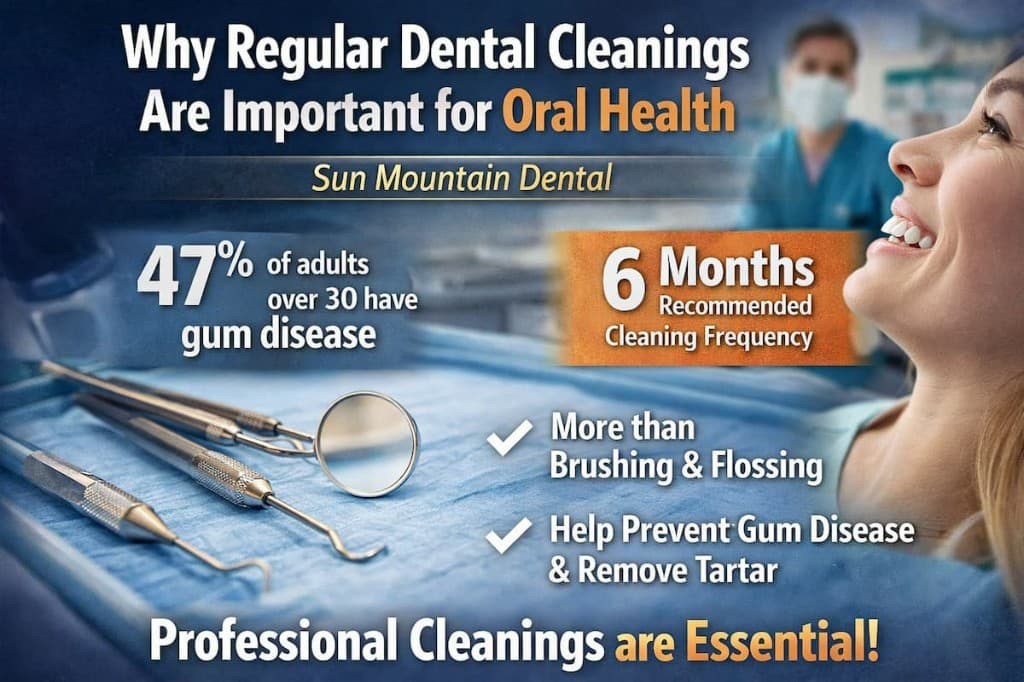
Wisdom Tooth Extraction in Wasilla: Signs It's Time and What Recovery Looks Like
That dull ache at the back of your jaw is easy to ignore at first. Then chewing gets sore, and brushing back there feels crowded. For many Wasilla adults, those are the first hints that a wisdom tooth needs attention. Knowing the warning signs, and what recovery really looks like, takes the fear out of the decision. This guide walks you through both.
Key Takeaways
- Common signs it is time include pain, swelling, infection, crowding, and trapped food.
- Most people rest one to three days, with full healing in one to two weeks.
- Days two and three are usually the most uncomfortable, then symptoms ease.
What Are Wisdom Teeth?
Wisdom teeth are your third molars, the last teeth to come in. They usually appear between ages 17 and 25. Sometimes they erupt with no trouble at all. Often, though, there is not enough room for them. When that happens, problems can follow.
Signs It Is Time to Remove Your Wisdom Teeth
Not every wisdom tooth needs to come out. Your dentist watches for specific warning signs before recommending removal. Many of these show up gradually over months.
Pain, Swelling, and Infection
Persistent pain near the back molars is the most common signal. A partially erupted tooth can trap bacteria and lead to infection. That may bring swelling, tenderness, or a stiff jaw. According to the American Dental Association, pain and infection are among the top reasons for removal.
Impaction and Crowding
An impacted tooth is trapped under the gum or bone. It may grow sideways and push against the next molar. This can crowd or damage neighboring teeth over time. A dental x-ray shows exactly how the tooth is positioned.
Trapped Food and Decay
A tooth that only partly comes in is hard to clean. Food and plaque collect where your brush cannot reach. That raises the risk of cavities and gum disease. A cyst can also form around an impacted tooth, per the Mayo Clinic.
What the Extraction Involves
Wisdom tooth extraction is a routine oral surgery procedure. It is almost always done as an outpatient visit, so you go home the same day. Your provider may use local anesthesia, sedation, or general anesthesia. The right choice depends on the tooth and your comfort level. At Sun Mountain Dental Care, the plan is tailored to each patient.
What Recovery Looks Like
Recovery is predictable for most people, and it moves in stages. Knowing the timeline helps you plan time off and meals. Here is what to expect week by week.
The First 24 Hours
Rest is the priority right after surgery. Some oozing and mild bleeding are normal on day one. Keep gauze in place and avoid spitting or straws. Do not rinse, brush, or use mouthwash for the first day.
Days Two and Three
These are usually the toughest days. Swelling in your cheeks tends to peak now. Use ice packs and take pain medicine on schedule. Most soreness is manageable with rest and care.
The Following Weeks
Swelling and bruising fade over the next several days. Most people return to work or school within a week. Full healing of the socket takes one to two weeks. Gentle saltwater rinses help keep the area clean.
Recovery Do's and Don'ts
A few simple habits protect the healing socket. They also lower your risk of a painful dry socket.
- Do stick to soft foods like yogurt, applesauce, and mashed potatoes.
- Do rinse gently with warm saltwater after the first 24 hours.
- Don't use straws, since suction can dislodge the healing clot.
- Don't smoke for at least 72 hours, as it slows healing.
Ready for a Comfortable Extraction in Wasilla?
Wisdom tooth trouble rarely improves on its own, but the right care makes it manageable. Catching the signs early gives you more options and an easier recovery. Our oral surgery team in Wasilla removes wisdom teeth with careful sedation and clear aftercare. Sun Mountain Dental Care also serves nearby Palmer, Knik, and Big Lake families. When that back-jaw ache will not quit, schedule a visit and let us take a look. A short exam and x-ray will tell you exactly where things stand.
Frequently Asked Questions
Q.What is the worst day of wisdom teeth recovery?
Days two and three are usually the worst. Swelling peaks and the surgical numbness has fully worn off. After that, most symptoms start to ease.
Q.How long should you rest after removal?
Plan to rest one to three days after surgery. Avoid heavy lifting or hard exercise during that window. Most people return to desk work within a week.
Q.How bad is the pain after removal?
Pain is usually worst on days two and three. For most people it is manageable with ice and over-the-counter medicine. Tell your dentist about severe or worsening pain.
Q.Why should I avoid straws after surgery?
The suction from a straw can pull out the healing blood clot. Losing that clot can cause a painful dry socket. Skip straws for at least a week to be safe.
Q.When should I call my Wasilla dentist?
Call if you have a fever, heavy bleeding, or trouble swallowing. Also call if swelling gets worse after two or three days. These can signal an infection that needs care.