Deep Cleaning Explained: What Scaling & Root Planing Does for Your Gums
You went in for a routine checkup, and your dentist mentioned a deep cleaning. Maybe they measured deep pockets or noticed your gums bleed easily. If the words scaling and root planing left you with questions, you are not alone. This guide explains what the treatment does, why it helps, and what recovery looks like for Wasilla patients.
Key Takeaways
- Scaling and root planing is a deep cleaning below the gumline that treats gum disease.
- It has two steps: scaling removes plaque and tartar, and root planing smooths the roots.
- Most people return to normal routines the same day, with mild soreness for a day or two.
What Is Scaling and Root Planing?
Scaling and root planing is a deep dental cleaning. It reaches below the gumline, where a regular cleaning cannot go. The goal is to remove the bacteria that drive gum disease. Dentists often call it a deep cleaning for short. It is a non-surgical treatment, so there are no incisions or stitches.
Why Your Dentist Might Recommend It
Gum disease starts with plaque, a sticky film of bacteria on your teeth. When plaque is not cleaned away, gums get inflamed and pull back from the teeth. That forms pockets where bacteria hide from your toothbrush. Left untreated, this can lead to bone and tooth loss.
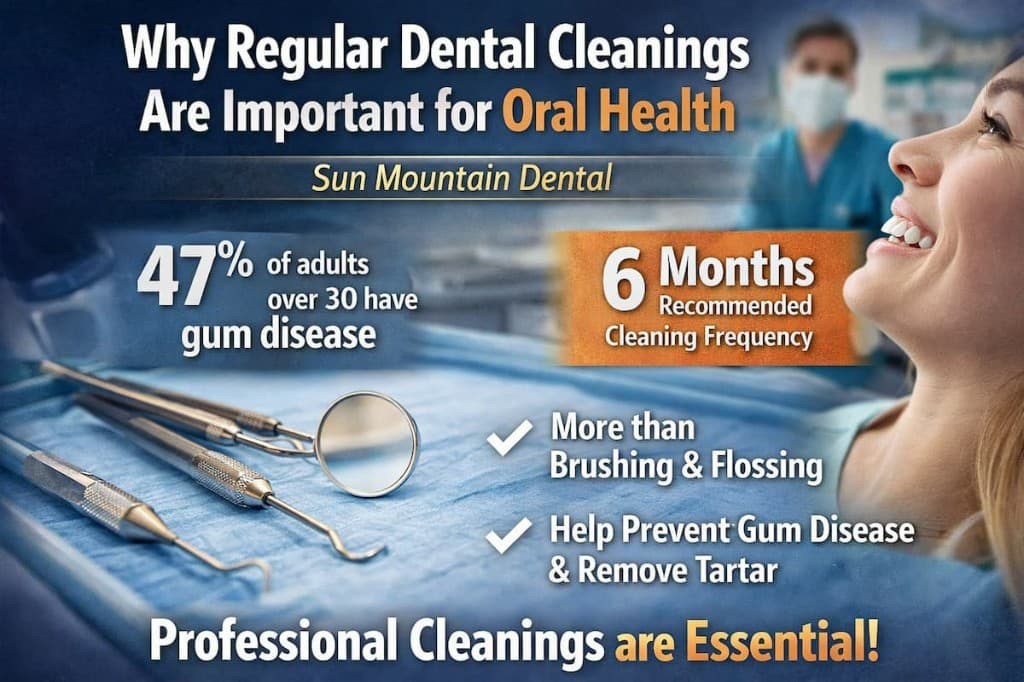
A deep cleaning is the usual first step for mild to moderate gum disease. Your dentist may suggest it if your gum pockets are too deep for a standard cleaning. According to the American Dental Association, chronic periodontitis affects 47.2% of adults over 30 in the United States. Catching it early gives Wasilla patients the best outcome.
What Happens During the Procedure
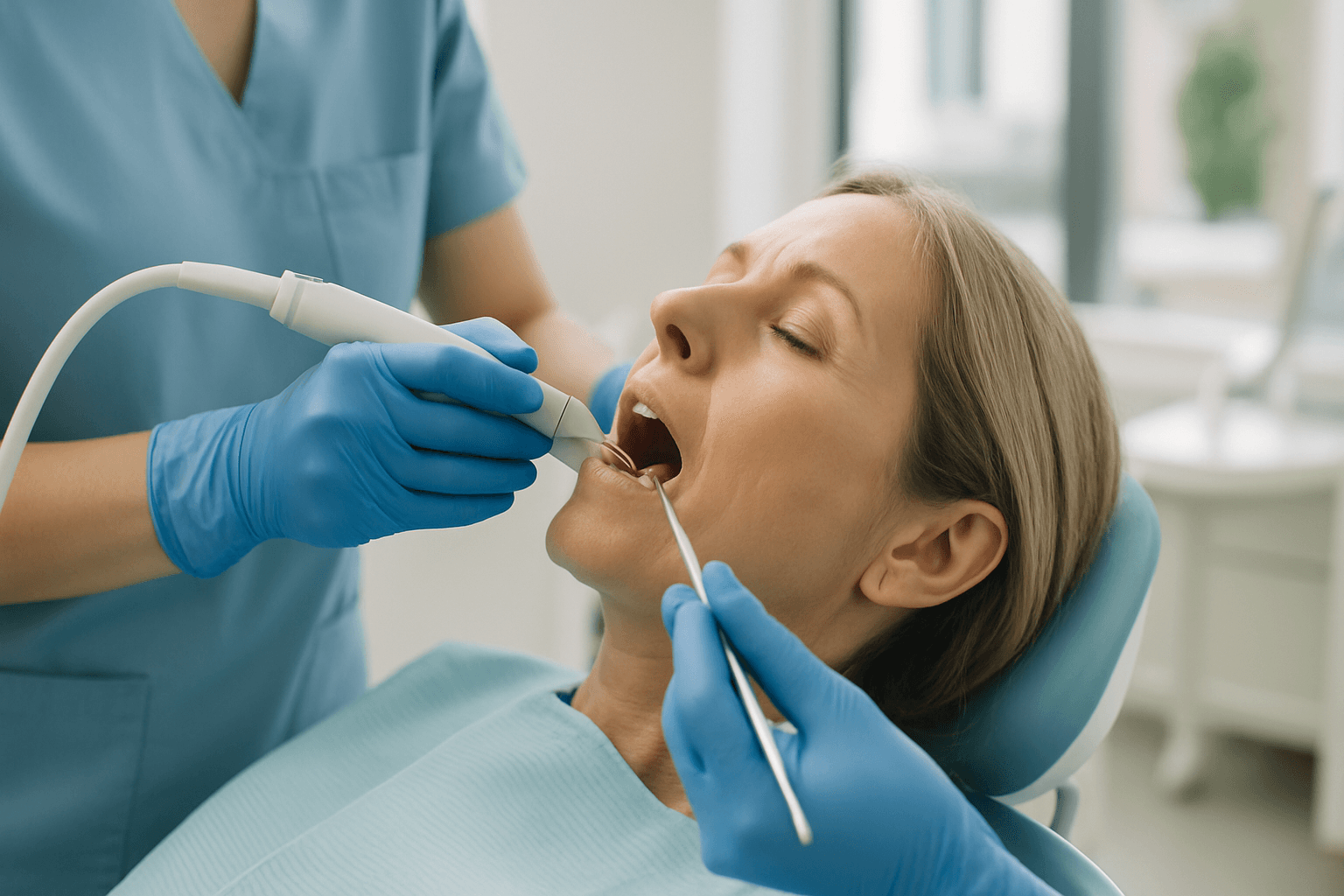
At Sun Mountain Dental Care, a deep cleaning usually takes one to two hours. Your dentist may treat everything in one visit or split it across two. First, they numb your gums with a local anesthetic for comfort.
Scaling
Scaling is the first step of the cleaning. Your dentist or hygienist removes plaque and tartar from your teeth. This includes buildup both above and below the gumline. They may use an ultrasonic tool and a hand scaler.
Root Planing
Root planing smooths the rough surfaces of your tooth roots. Smooth roots make it harder for bacteria to cling and rebuild. This step also helps your gums reattach firmly to the teeth. Sometimes an antibiotic is placed in the pocket to aid healing.
What Recovery Looks Like
Recovery from a deep cleaning is usually quick and mild. Most people return to their normal day right away. You can eat and drink as long as it does not hurt. The Cleveland Clinic notes there are no stitches to worry about.
Some tenderness for a day or two is normal. Your teeth may feel sensitive to hot and cold for a short while. Mild bleeding when you brush can also happen at first. Good brushing and flossing at home protect the results.
Deep Cleaning Versus a Regular Cleaning
A regular cleaning polishes the visible parts of your teeth above the gums. A deep cleaning goes further, reaching the roots below the gumline. You need a deep cleaning only when gum disease has formed pockets. After treatment, most patients return to routine dental cleanings to stay healthy.
Healthy Gums Start With a Wasilla Deep Cleaning
Gum disease rarely goes away on its own, but early care changes the outcome. A deep cleaning stops the damage and gives your gums a chance to heal. Our scaling and root planing team in Wasilla uses gentle numbing and clear aftercare. Sun Mountain Dental Care also serves Palmer, Knik, and Big Lake families. If your gums bleed or your dentist mentioned deep pockets, do not wait. A quick exam will show whether a deep cleaning is right for you.
Frequently Asked Questions
Q.How serious is scaling and root planing?
It is a common, low-risk, non-surgical procedure. It is not major surgery, but it is important. Treating gum disease early helps prevent bone and tooth loss.
Q.Do my gums grow back after scaling?
Gum tissue lost to disease does not regrow. But healthy gums reattach and tighten as the infection clears. As swelling goes down, a little more root may show.
Q.Is a deep cleaning worth it?
Yes, for most people with gum disease it is. It is the standard first treatment and has a high success rate. It also protects your long-term oral and overall health.
Q.How much does scaling and root planing cost?
The cost depends on how many areas need treatment and your insurance. It is often billed by section of the mouth. Ask our office for an estimate tailored to your needs.
Q.How long does the deep cleaning take to heal?
Most soreness fades within a few days. Sensitivity can linger for a week or two. Your gums keep healing over the following weeks.