Are Teeth Whitening Treatments Safe? What Wasilla Patients Should Know
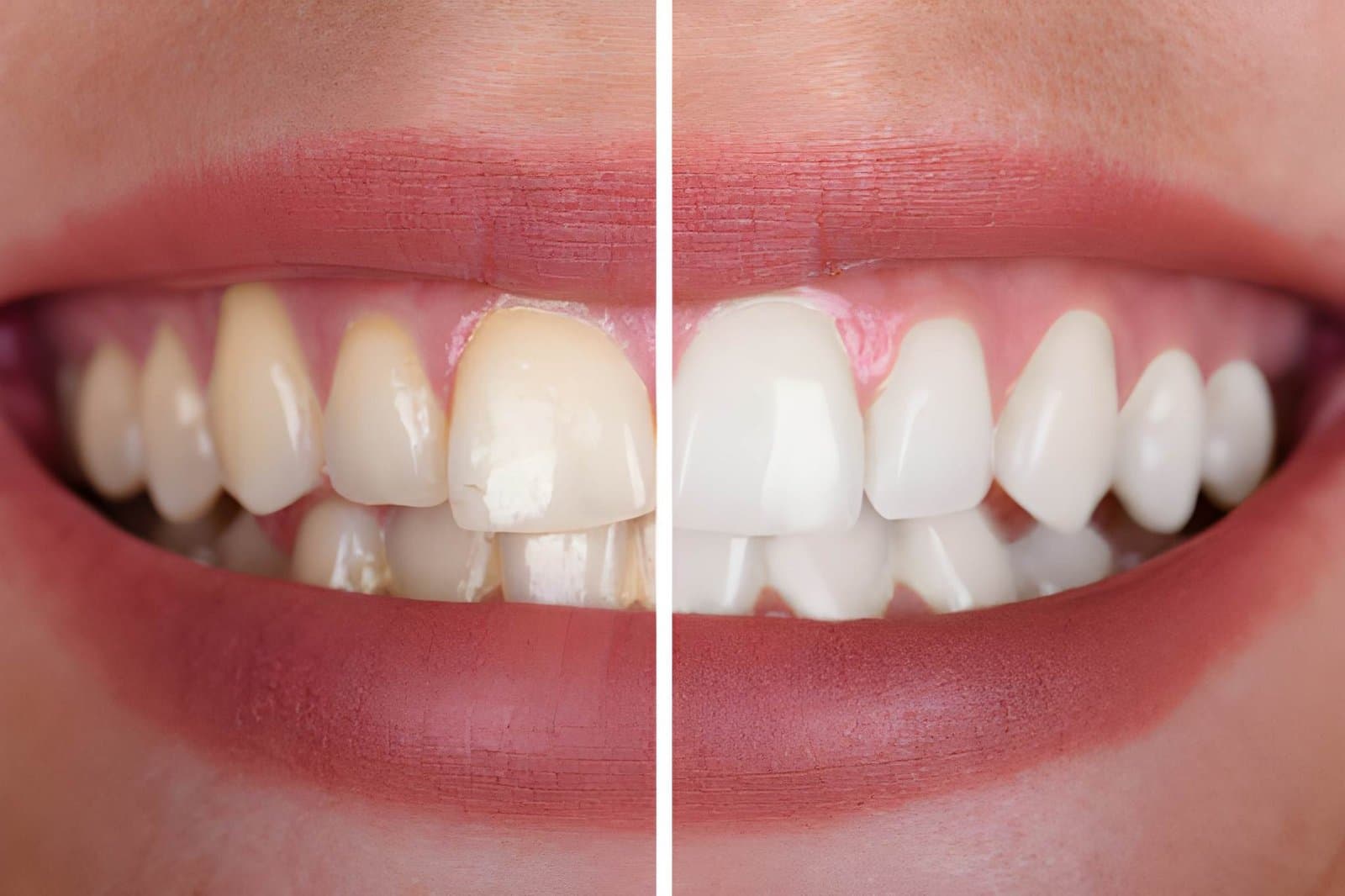
You want a brighter smile, but you have heard whitening can wreck your enamel or leave your teeth aching. So is it actually safe? It is a smart question to ask before you buy a kit or book a visit.
Here is the straight answer for Wasilla patients. Teeth whitening is safe for most people when it is done right. This guide explains how it works, the real risks, the safest methods, and who should think twice before whitening.
Key Takeaways
- Teeth whitening is considered safe and effective when you follow the product instructions and use ADA-accepted products.
- The main side effects are temporary tooth sensitivity and gum irritation, not permanent enamel damage.
- Professional whitening with a dentist is the safest route, especially if you have sensitivity, fillings, or crowns.
How Does Teeth Whitening Work?
Most whitening uses a peroxide-based gel that breaks down stains on and just below the enamel surface. The higher the concentration and the longer it sits, the brighter the result. Professional treatments use stronger gels under careful control, while strips and trays use milder ones. Whitening lifts stains from coffee, tea, and tobacco, but it does not change the color of crowns, veneers, or fillings.
So, Is Teeth Whitening Safe?
For most people, yes. Per Cleveland Clinic's review of teeth whitening, the products have been used safely for decades by millions of people. Research backs this up. A tooth whitening review published through the NIH found whitening is safe and effective when you follow the manufacturer's protocol, while noting real risks if you do not. The key is using it correctly, not endlessly.
The Risks and Side Effects to Know
Whitening has two common side effects: tooth sensitivity and gum irritation. Both are usually temporary and fade after treatment stops. Trouble comes from overuse, leaving gel on too long, or using unregulated products with harsh concentrations. Done right, whitening does not strip your enamel. Done carelessly, it can irritate gums and make teeth ache, so more is not better.
Does Whitening Damage Your Enamel?
This is the fear that stops most people, and the good news is that proper whitening does not damage enamel. The peroxide works on stain molecules, not the structure of the tooth. Sensitivity happens because the gel can briefly open tiny channels in the enamel, but they close again. The risk to enamel rises only with misuse, which is why professional guidance matters.
The Safest Way to Whiten in Wasilla
The safest path is whitening supervised by a dentist, who controls the strength and shields your gums. ADA-accepted at-home products are the next safest choice. Either way, get a checkup first. Whitening over a cavity or gum problem can cause real pain, and stained teeth sometimes signal an issue worth treating. A Wasilla dentist can tell you if you are a good candidate before you start.
Want a Brighter Smile in Wasilla?
Whitening is one of the simplest ways to refresh your smile, and it is safe when you go about it the right way. A quick checkup first makes sure your teeth and gums are ready.
If you would rather whiten under expert care, our team for teeth whitening in Wasilla at Sun Mountain Dental Care will check your teeth, protect your gums, and brighten your smile safely. We help Wasilla patients get results without the guesswork.
Frequently Asked Questions
Q.Are teeth whitening treatments safe?
Yes, for most people, when done correctly with ADA-accepted products or by a dentist. The main side effects are temporary sensitivity and gum irritation, not permanent damage.
Q.What are the risks of whitening teeth?
The common risks are temporary tooth sensitivity and gum irritation. Overuse or harsh, unregulated products can cause more harm, so following directions matters.
Q.Does teeth whitening damage enamel?
Proper whitening does not damage enamel. The gel targets stains, not tooth structure. The risk rises only with overuse or misuse of strong products.
Q.What is the safest way to whiten teeth?
Professional whitening with a dentist is safest, since they control the strength and protect your gums. ADA-accepted at-home kits are the next safest option.